North Carolina's Best Election Website

NCElection.com
Vote on Tuesday, March 3, 2026

NCElection.com Has Been Serving North Carolinians Since 2016

NC 2026 Midterm Election

Welcome to North Carolina's Best Election Website Where We Show You The Candidates And Connect You To Them Along With Other Voting Information You Need To Know For The 2026 Midterm Elections.

*NCElection.com provides links to NCSBE.gov for informational purposes only. We are not connected to, affiliated with, or endorsed by NCSBE.gov.   

NC ELECTION - Vote Sign
Your Vote Counts

NC 2026 Midterm Elections Candidates (Coming Soon)

NC Election Provides Information On the Democratic, Republican, Third Party and Independent Candidates in the 2026  Midterm Election. Also, take a closer look at the North Carolina Statewide and Federal Candidates.

NC Election NC Flag
NC Federal And Statewide Candidates
See Federal and Statewide Candidates Now
NC Election Democratic Donkey
Democratic Presidential Candidates
See Democratic Presidential Candidates Now
NC Election Republican Elephants
Republican Presidential Candidates
See Republican Presidential Candidates Now
NC Election American Flag as A Star
Third Party Or Independent Presidential Candidates
See Third Party Or Independent Presidential Candidates Now
Your Vote Counts

NC Election | 2026 Midterm Election

The 2026 Midterm Election in North Carolina is a vital opportunity for voters to select the candidates they desire to lead the state.  The results of the General Election will influence the future direction of North Carolina and the country for the next few years. Therefore, it is essential for voters to take part in the election and choose wisely based on their values and interests.

Identification Is Now Needed To Vote In North Carolina

Find out more information about what is needed here...

NC Primary Election Timeline

Timeline

NCElection.com
Providing Tools For Voters

It is important to vote in the State, Federal and 2026 Midterms. NC Election Knows Your Vote Makes The Difference!

Register To Vote

Go here to register to vote in North Carolina

Where Do I Vote

Not sure which polling location to vote at...check here.

One Stop Early Voting Sites

Check here to find early voting locations in North Carolina

Board Of Election

Look here to contact your local Board of Election.

Registration Information

Find out what you need to know regarding registration and voting in North Carolina.

Voter ID Now Needed

Important! Find out what identification is now needed to vote in North Carolina.

*NCElection.com provides links to NCSBE.gov for informational purposes only. We are not connected to, affiliated with, or endorsed by NCSBE.gov

Countdown To The March Primary

March 3, 2026

Primary Election Day

Days
Hours
Minutes
Seconds

NC Election Detailed Information For The 2026 State
Midterm Primary Election

North Carolina stretches from the Blue Ridge Mountains to the Atlantic coast, and voters in all 100 counties will take part in the 2026 General Election. With so much at stake, the NC Election cycle is expected to draw major attention statewide

The Question Is?

Who Will Be Elected North Carolina Senator In 2026?
Who Will Be The 14 Congressional Representatives For North Carolina In 2026?

North Carolinians will choose their federal representatives during the 2026 NC Election, and the state will play a significant role in determining control of the U.S. House of Representatives. Looking ahead, North Carolina will hold 16 electoral votes in 2028—tied for 8th among all states—and the winner of the NC Election receives all 16 votes. If you’re preparing to make your voice heard in 2026, here are the key dates every voter should know.

The North Carolina 2026 Statewide Primary Election is
March 3, 2026

(Part of the statewide NC Election calendar)

Absentee Voting Begins
• January 12, 2026

(A critical early step in the NC Election process)

Voter Registration Deadline For The 2026 North Carolina Statewide Primary Election
• February 6. 2026*

A major milestone for the NC Election timeline)

In Person Early Voting Period Begins For The 2026 Statewide Primary Election.
• February 12, 2026*

(Early voting remains one of the most popular options in every NC Election)

Deadline for Absentee Ballot Request for the 2026 North Carolina Statewide Primary Election
• February 17, 2026*

(Absentee participation continues to grow each NC Election cycle)

Election Day For The 2026 Statewide Primary Election
• March. 3, 2026

(The centerpiece of the NC Election season)

Absentee Ballot Return Deadline For The 2026 Statewide Primary Election
• March 3, 2026 *

(One of the most important deadlines in the NC Election process)

*In North Carolina Voter registration and absentee voting deadlines are different for military and overseas citizen voters.

Always Check With NC Election  To Get Important Facts On What N.C. Elections Are Coming Up.

Registering To Vote For The March Primary Ends

February 6, 2026

Register To Vote Before Time Runs Out

Days
Hours
Minutes
Seconds

North Carolina’s 14 Congressional Districts Listed Below

NC s Growing

North Carolina is one of the most dynamic and fast‑growing states in the country, and its congressional districts reflect that growth. With 14 seats in the U.S. House of Representatives, the state plays a significant role in shaping national policy. Understanding these districts helps residents know who represents them, how federal decisions affect their communities, and how to participate effectively in the North Carolina Election process.

This guide provides a clear, educational overview of each district, the regions they cover, and why they matter. It also highlights how North Carolina Voter Registration works and how residents can prepare for NC Election 2026, when all 14 seats will once again be on the ballot. Throughout this guide, you’ll also find helpful insights into how communities across the state engage with North Carolina Candidates during each election cycle.

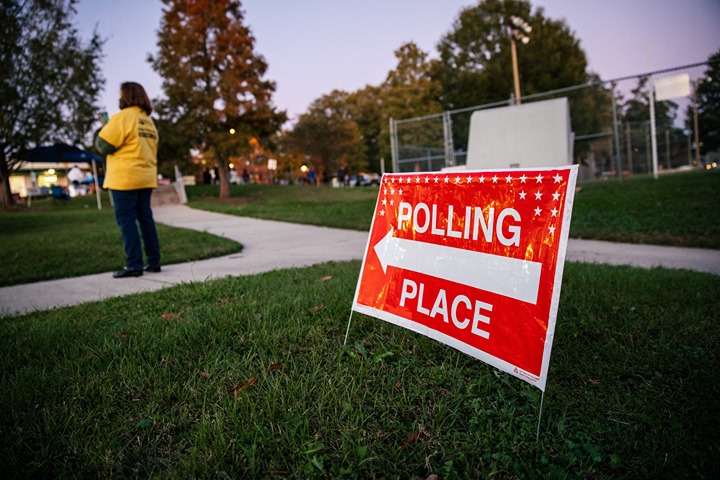
NC Election - Lady standing near a polling sign

March 3, 2026

Election Day | On this day North Carolinians will make decisions to shape the direction of the state going forward into the future.

Every ten years, after the U.S. Census, states redraw their congressional districts to reflect population changes. North Carolina gained its 14th district after the 2020 Census, increasing its influence in Washington. Each district represents roughly 750,000 residents, ensuring equal representation across the state.

These districts determine how communities — from the Appalachian Mountains to the Atlantic coast — are represented in Congress. They also shape the choices available to voters when they evaluate North Carolina Candidates during each NC Election cycle.

NC Election - NC Flag 1st District Sign

NC's 1st Congressional District

The 1st District covers much of northeastern North Carolina, including rural counties, agricultural communities, and historic towns. For NC Election 2026, the district’s boundaries were adjusted as part of a redistricting process. These changes shifted the district’s shape and redistributed several communities between the 1st and 3rd Districts.

While the district still includes many of the same rural and agricultural regions, the updated map reflects new geographic contours that will be in place for the upcoming North Carolina Election. Residents preparing for NC Election 2026 should confirm their district assignment through North Carolina Voter Registration tools to ensure they know which North Carolina Candidates will appear on their ballot.

NC Election - NC Flag 2nd District Sign

NC's 2nd Congressional District

Centered in Wake County, the 2nd District includes portions of Raleigh and surrounding suburbs. It is one of the fastest‑growing areas in the state, shaped by technology, education, and healthcare industries.

Residents here often engage early in North Carolina Voter Registration, especially as new residents move into the region. The district’s growth means that each NC Election brings new voices and perspectives into the civic process, especially as North Carolina Candidates present plans for managing rapid development.

NC Election - NC Flag 3rd District Sign

NC's 3rd Congressional District

Stretching along the eastern coastline, the 3rd District includes coastal communities, military families, and fishing towns. For NC Election 2026, the district underwent geographic adjustments as part of the statewide redistricting process. These changes involved exchanging territory with the 1st District, resulting in a revised district shape for the upcoming North Carolina Election.

Despite these adjustments, the district continues to include many coastal communities and areas connected to Marine Corps Base Camp Lejeune. Residents preparing for NC Election 2026 should verify their district assignment through NC Voter Registration resources to ensure they are reviewing the correct North Carolina Candidates.

NC Election - NC Flag 4th District Sign

NC's 4th Congressional District

The 4th District includes parts of the Research Triangle, such as Durham, Chapel Hill, and portions of Wake County. It is home to major universities, research institutions, and technology companies.

Residents here tend to be highly engaged in civic life, and North Carolina Voter Registration efforts are strong due to the large student population. The district’s academic and scientific communities often shape the conversations that arise during each North Carolina Election cycle.

NC Election - NC Flag 5th District Sign

NC's 5th Congressional District

Located in the northwestern region of the state, the 5th District includes foothill communities, mountain towns, and manufacturing centers. Agriculture, small business, and tourism play major roles in the local economy.

As NC Election 2026 approaches, voters in this district will once again evaluate North Carolina Candidates who address rural development, economic growth, and infrastructure needs.

NC Election - NC Flag 6th District Sign

NC's 6th Congressional District

The 6th District includes parts of the Piedmont Triad, including Greensboro and Winston‑Salem. It is known for its diverse population and mix of urban and suburban communities.

Residents here often participate early in North Carolina Voter Registration, especially during high‑turnout years. The district’s blend of industries — from logistics to higher education — shapes the issues that arise during each North Carolina Election cycle.

NC Election - NC Flag 7th District Sign

NC's 7th Congressional District

Covering southeastern North Carolina, the 7th District includes Wilmington and surrounding coastal areas. Tourism, shipping, and film production are major economic drivers.

During the NC Election season, voters in this district often focus on coastal development, environmental protection, and economic growth. As NC Election 2026 approaches, residents will again evaluate North Carolina Candidates who address these priorities.

NC Election - NC Flag 8th District Sign

NC's 8th Congressional District

The 8th District spans south‑central North Carolina, including suburban and rural communities. Its proximity to Fort Liberty (formerly Fort Bragg) means that military families and veterans play a significant role in the district’s civic life.

Residents preparing for the North Carolina Election often focus on issues related to national security, military support, and community development. North Carolina Voter Registration efforts are strong here due to the mobility of military families.

NC Election - NC Flag 9th District Sign

NC's 9th Congressional District

This district includes parts of Charlotte’s suburbs and stretches eastward into rural areas. It has been politically competitive in recent years, reflecting the state’s broader demographic shifts.

As NC Election 2026 approaches, voters in this district will once again consider North Carolina Candidates who address suburban growth, transportation, and economic development.

NC Election - NC Flag 10th District Sign

NC's 10th Congressional District

Located in western North Carolina, the 10th District includes manufacturing centers, mountain communities, and fast‑growing suburbs. The region’s economy is shaped by industry, small business, and outdoor recreation.

Residents here often engage early in North Carolina Voter Registration, especially as new families move into the region. The district’s diverse geography influences the issues that arise during each North Carolina Election cycle.

NC Election - NC Flag 11th District Sign

NC's 11th Congressional District

Covering the far western mountains, the 11th District includes Asheville and surrounding counties. It is known for tourism, outdoor recreation, and a vibrant arts community.

During the NC Election season, voters in this district often focus on environmental stewardship, economic development, and community services. As NC Election 2026 approaches, residents will evaluate North Carolina Candidates who address the needs of both urban and rural mountain communities.

NC Election - NC Flag 12th District Sign

NC's 12th Congressional District

Centered in Charlotte, the 12th District is urban, diverse, and economically dynamic. Banking, finance, and corporate headquarters drive much of its growth.

Residents here often participate actively in North Carolina Voter Registration, especially during high‑turnout years. The district’s urban identity shapes the issues that arise during each North Carolina Election cycle

NC Election - NC Flag 13th District Sign

NC's 13th Congressional District

This district includes parts of the Triangle and surrounding suburban counties. It has experienced rapid population growth and shifting community needs.

As NC Election 2026 approaches, voters in this district will once again evaluate North Carolina Candidates who address education, transportation, and economic development.

NC Election - NC Flag 14th District Sign

NC's 14th Congressional District

The 14th District is the newest addition to North Carolina’s congressional map, created after the 2020 Census. It includes portions of the western Piedmont region and has undergone adjustments through court‑ordered redistricting.

Residents here often focus on issues related to suburban growth, infrastructure, and economic opportunity. As part of the NC Election cycle, the district continues to evolve as new communities grow and participate in North Carolina Voter Registration efforts.

NC Election

How To Vote

How to Research Candidates Effectively: A Practical Guide for Every Voter

Learning about candidates is one of the most important steps in preparing for an election, yet many voters feel overwhelmed by the amount of information available. Between campaign ads, social media posts, news coverage, and conversations with friends, it can be difficult to sort out what’s factual, what’s opinion, and what’s most relevant to your community. The good news is that researching candidates doesn’t have to be complicated. With a few simple strategies, any voter can feel confident, informed, and ready to participate in the democratic process.


NC Election - Lady with a voting button

NC Election

1

Where To Start

One of the best places to start is with official sources. Every candidate running for office is required to file certain information with state or federal election agencies. These filings often include basic biographical details, financial disclosures, and campaign finance reports. While these documents aren’t always exciting to read, they offer a clear, factual foundation for understanding who a candidate is and how their campaign is funded. The state election website also provide candidate lists and other important information which makes it easy to verify that you’re looking at accurate information.

Once you’ve reviewed the basics, the next step is to explore candidate websites and official statements. These sites typically outline a candidate’s priorities, background, and goals if elected. While campaign websites naturally present information in a positive light, they are still valuable for understanding what issues a candidate chooses to emphasize. Pay attention to how clearly the candidate explains their positions, whether they provide specific plans, and how their priorities align with the needs of your community. If a candidate has held office before, you can also look for summaries of their past work, public statements, or sponsored legislation.

NC Election - Couple

NC Election

2

Voter Guides | News Outlets

Another helpful strategy is to consult nonpartisan voter guides. These guides are created by organizations that aim to provide balanced, factual information without endorsing any candidate. They often include side‑by‑side comparisons of candidates’ positions on major issues, answers to standardized questionnaires, and summaries of professional experience. Because the information is presented in a consistent format, it’s easier to compare candidates fairly. Many voters find these guides especially useful when researching down‑ballot races, where information can be harder to find.

Local news outlets are also valuable resources. Local journalists often cover candidate forums, debates, community events, and policy discussions that may not receive national attention. Reading or watching local news can help you understand how candidates engage with the community, respond to questions, and address local concerns. When using news sources, it’s helpful to read from more than one outlet to get a broader perspective. This doesn’t mean seeking out opposing viewpoints—it simply ensures you’re seeing a fuller picture of the issues being discussed.

NC Election - News Reporter

NC Election

3

Candidate Forums
Public Events

For voters who prefer a more interactive approach, candidate forums and public events offer a chance to hear directly from the people running for office. Many communities host town halls, debates, or meet‑and‑greet events where candidates answer questions and explain their priorities. Attending these events—either in person or online—can give you a sense of a candidate’s communication style, preparedness, and connection to local issues. Even if you can’t attend live, recordings are often available on community websites or local media channels.

Social media can also play a role in your research, but it should be approached with caution. While platforms like Facebook, Instagram, and X (formerly Twitter) allow candidates to share updates and connect with voters, they also contain misinformation, opinion‑based content, and unverified claims. If you see something surprising or concerning, it’s always a good idea to check whether the information is confirmed by an official source or reputable news outlet. Social media is most useful when treated as a starting point rather than a final source of truth.

NC Election - Speaker

NC Election

4

Supporters

Another important part of researching candidates is understanding who supports them. Endorsements from community leaders, organizations, or professional groups can offer insight into a candidate’s values and priorities. However, endorsements should be considered alongside other information rather than used as the sole basis for a decision. It’s also helpful to look at campaign finance data, which shows where a candidate’s funding comes from. This information is publicly available and can help voters understand the networks and interests connected to a campaign.

Finally, one of the most effective ways to research candidates is simply to talk with people you trust. Friends, family members, coworkers, and neighbors may have perspectives or information you haven’t considered. These conversations don’t have to be debates—they can be opportunities to learn how others evaluate candidates and what issues matter most to them. Listening to a variety of viewpoints can help you think more deeply about your own priorities.

NC Election - Supporter at an event

NC Election

5

Proper Research

Researching candidates effectively is ultimately about gathering reliable information, comparing it thoughtfully, and making a decision that reflects your values and your community’s needs. By using NCElection.com, official sources, nonpartisan guides, local news, public events, and conversations with others, you can feel confident heading into any election. An informed voter is a powerful voter, and taking the time to learn about the people who want to represent you is one of the most meaningful ways to participate in democracy.

NC Election - Man in deep thought
0

Voters To Make A Difference

0

NC Congress Seats To Elect

0

US Senators To Elect

0

Governors To Elect